
Updated July 29, 2026. This commercial planning guide is not legal, tax, payment, or financing advice. Requirements vary by product, location, program, and jurisdiction.
Published transaction economics: ID + face verification is $1.00 per attempted verification. Fingerprint verification is $0.50 per successful match, with no fee on failed fingerprint scans. Card processing is provided by Lifted Payments at 3.99%; a separate payments application and approval are required before go-live.
See the complete operation.
Inspect every demo page, then request delivery scope and financing options for your route.
Start with the transaction, not the cabinet
A strong evaluation begins with the exact customer journey. Ask when verification occurs, what happens after an unsuccessful check, how the selected product stays reserved, when the card is authorized, and what record reaches the operator. A smooth-looking screen is not enough if the machine, payment terminal, verification step, and inventory record can fall out of sequence.
AgeVend combines the AV-1 cabinet, customer touchscreen, configured verification flow, cashless checkout hardware, and operator platform. Buyers should still map that system to the products and controls required at every intended location.
- Document the order of browse, verification, payment, and dispense.
- Confirm how a failed verification or failed delivery is handled.
- Review the customer support path displayed at the machine.
- Require a written description of the data visible to the operator.
Evaluate the physical machine as retail infrastructure
The AV-1 is 72 inches high, 60 inches wide, and 36 inches deep. Those dimensions affect freight, doors, hallways, turns, elevators, floor loading, customer approach, and service access. Measure the complete route from the delivery vehicle to the final position, not just the wall where the machine will sit.
Cabinet capacity also needs context. Connected AgeVend machines currently report 60 configured slot positions, but the usable planogram depends on package dimensions, row configuration, product mix, and the amount of reserve inventory the route can support.
Treat verification as a configurable control
“Age verification included” is too vague for a purchasing decision. Verification requirements vary with product category, location, supervision, and jurisdiction. Ask what information the system evaluates, where the check occurs in the transaction, what the customer sees, what the operator can configure, and what evidence is retained.
No machine makes every product legal in every location. Operators remain responsible for confirming licensing, placement, signage, supervision, and verification obligations with qualified advisers and the relevant authorities.
For a primary-source starting point—not a legal conclusion—review the vape vending laws by state research center, then confirm the actual product, street address, venue, and current rules for the deployment.
Inspect payment and exception handling
Unattended payment involves more than accepting a tap or card. Review authorization timing, declined transactions, reversals, duplicate attempts, delivery failures, refunds, receipts, network interruption, and settlement reporting. The commercial agreement should also identify processing, verification, connectivity, and support costs.
Ask the vendor to demonstrate the exception paths, not only the successful purchase. A buyer should know who receives the alert, what the customer is told, and how the transaction is reconciled when the machine cannot complete a delivery. The connected-vending go-live acceptance test provides a printable way to document those handoffs before opening a route.
Require operating software you can inspect
A connected route should expose the questions that determine the next action: which machine is online, what sold, what is low, what fault occurred, what order needs review, and which user changed a configuration. AgeVend provides a public, read-only operator demo populated with synthetic data so buyers can inspect the navigation before requesting a quote.
Review permissions as carefully as charts. A growing route needs separate access for operators, technicians, accounting, and support without giving every person the ability to change every machine.
Price the complete deployment
The current AV-1 base price starts at $9,500. The final investment can also include freight, taxes, software, payment processing, verification, connectivity, installation, inventory, licensing, insurance, placement costs, service work, and financing expense. Put each category into the written quote or operating model.
Use your own ticket, transaction, margin, route-frequency, downtime, and placement assumptions. A calculator can show arithmetic; it cannot guarantee demand, profit, or payback.
Questions buyers ask
What is an age-restricted vending machine?
It is an unattended retail system that combines product merchandising and delivery with a configured eligibility or age-verification step, payment, and operator reporting.
How much does an AgeVend AV-1 cost?
The current base machine price starts at $9,500. A written quote should confirm freight, tax, software, processing, verification, installation, and other deployment costs.
Can I see the AgeVend interface?
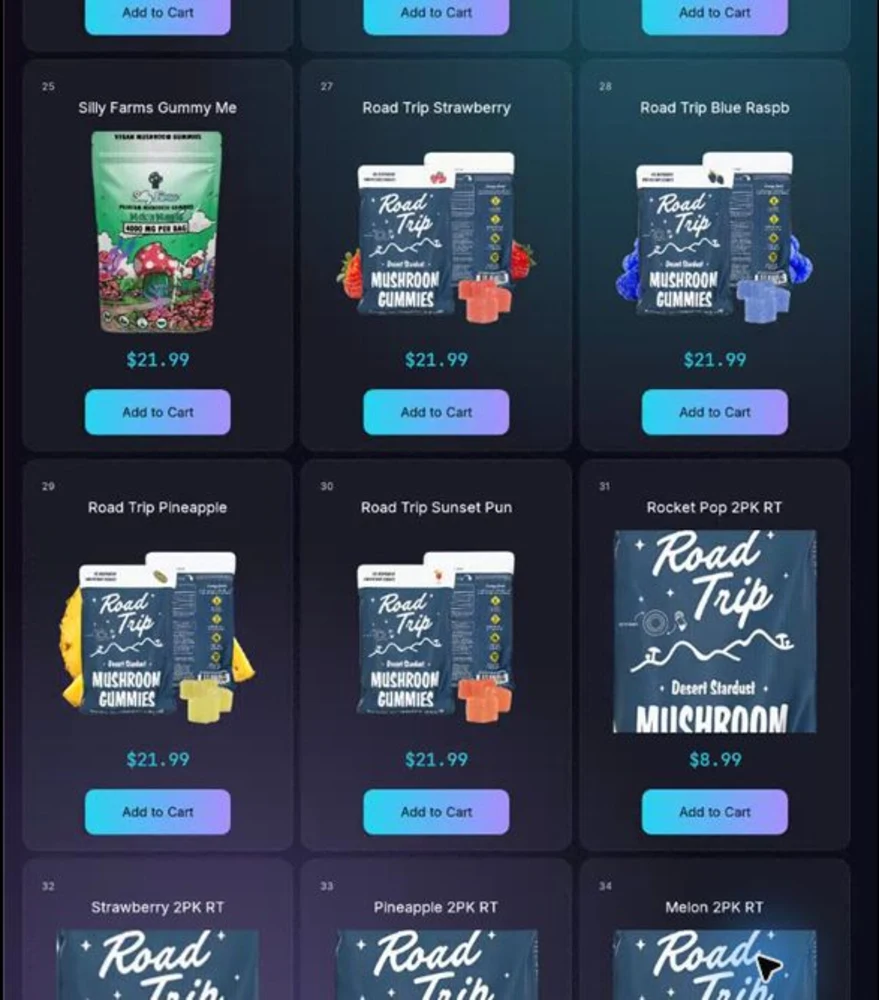
Yes. AgeVend.com shows a real connected-machine customer screen and links to a public operator demo with synthetic data.
Does age-verification hardware guarantee compliance?
No. Laws and program requirements vary by product, jurisdiction, and placement. Operators must confirm the requirements that apply to each deployment.
Ready to evaluate the AV-1?
Start with the published $9,500 base price, a real connected-machine screen, the read-only operator demo, and a written route quote covering the complete deployment.